

Bring the talk your women have been waiting for.
Dr. Julie Grimes, MD, MSCP, gives The Menopause Talk: 45 minutes on what perimenopause and menopause actually do to a woman’s body, why a generation was told to wait it out, and what real care looks like now. Direct, hopeful, a little defiant. Free for groups in North Alabama.
North Alabama’s only clinic100% dedicated toperimenopause and menopause.
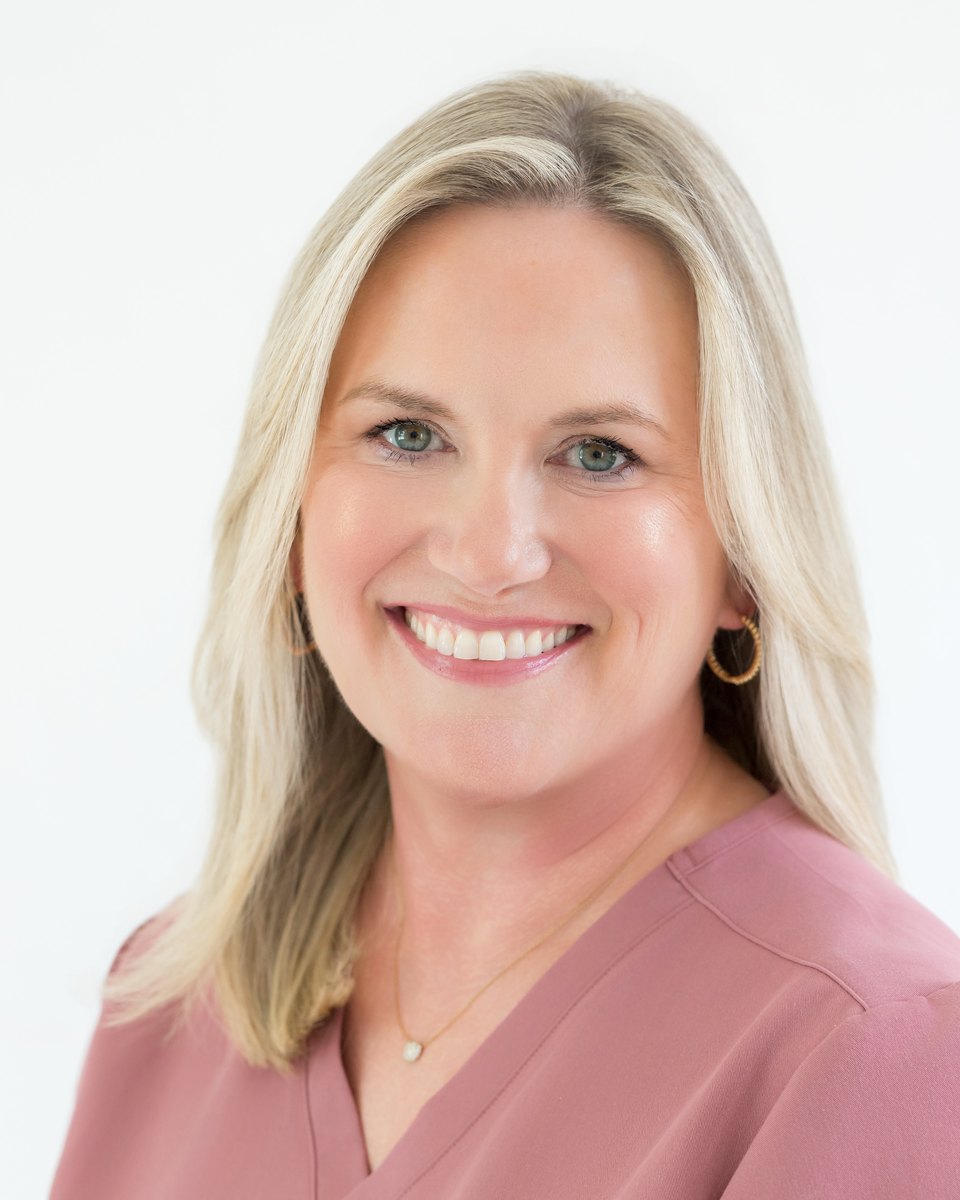
Photograph by Olivia Reed Photography
If your room has women over 40 in it, this talk is for your room.
Half the women in any workplace, congregation or club are somewhere between the first missed period and the last hot flash, and most of them have never heard a doctor explain it. Forty-five minutes changes that.
- Employers and HR teams — lunch-and-learns, women’s ERGs, benefits weeks. Menopause is now a retention issue; this is the session that proves you noticed.
- Women’s groups and clubs — professional networks, book clubs, sororities, moms’ groups.
- Churches and ministries — women’s ministry nights, small groups, retreats.
- Civic organizations — Rotary, Kiwanis, chambers, Junior League.
- Clinical teams — in-services for primary care, therapy, PT, dental and fitness practices who see midlife women every day.
- Podcasts and livestreams — she is comfortable on a mic and does not speak in textbook.
What she covers.
It is an education, not a sales pitch. Mariposa gets about two minutes at the end.
The care gap
Why a woman can see five doctors for five symptoms and never hear the word “perimenopause.”
2002, and what we know now
The study that scared a generation off hormone therapy, the two decades of follow-up, and the FDA’s 2025 label change.
What estrogen actually does
Brain, bone, heart, skin, sleep, mood, joints, bladder: a short, clear tour of why the symptom list is so long.
The symptoms nobody connects
Frozen shoulder. Ringing ears. Heart palpitations at 3 a.m. The “weird” list, and why it isn’t weird at all.
What real care involves
Beyond three hormone levels: the labs, the questions, and the hour it takes to do it properly.
What to ask for
How to get taken seriously, and why to ask for a Menopause Society Certified Practitioner by name. Then questions, for as long as you have the room.
Pick the length. She’ll fit the room.
- The Menopause Talk — 45 minutes plus Q&A. The full version.
- Lunch-and-learn — 30 minutes, built for a work hour, with a handout your team can keep.
- The short version — 15 to 20 minutes for a meeting or service that already has an agenda.
- Virtual — any of the above on Zoom or Teams, or as a livestream or podcast guest.
- Partners night — a version for husbands and partners, built around The Partner’s Guide.
The practical bits
- Cost: free for groups in the Huntsville and Madison area. Ask about anywhere else in North Alabama.
- Lead time: three weeks is comfortable. Shorter is often possible.
- You provide: the room, a screen, and the people.
- She brings: the slides, printed guides for everyone, and answers.
- Audience: women-only rooms and mixed rooms both work. Partners are welcome.
- No pitch: a brief mention of Mariposa at the end, and that is it.
Tell us about your group.
We reply within two business days with available dates. Prefer to talk? Call (256) 965-6812 and ask for a speaking request.
Got it. We’ll be in touch.
Expect a reply from Mariposa within two business days with dates that work. In the meantime, the guides are free to share with your group.
Reporter or producer?
Dr. Grimes is available for interviews on perimenopause, menopause and the FDA’s hormone-therapy label change. Headshots, bios and releases are on the press page.
Press & MediaWould rather just talk it through?
Call (256) 965-6812Monday to Friday, 8am to 5pm. Ask for a speaking request.