

What’s happening
to me?
The 30+ symptoms of perimenopause and menopause, what connects them, and what actually helps. Free, plain-language, from a physician who does nothing but this.
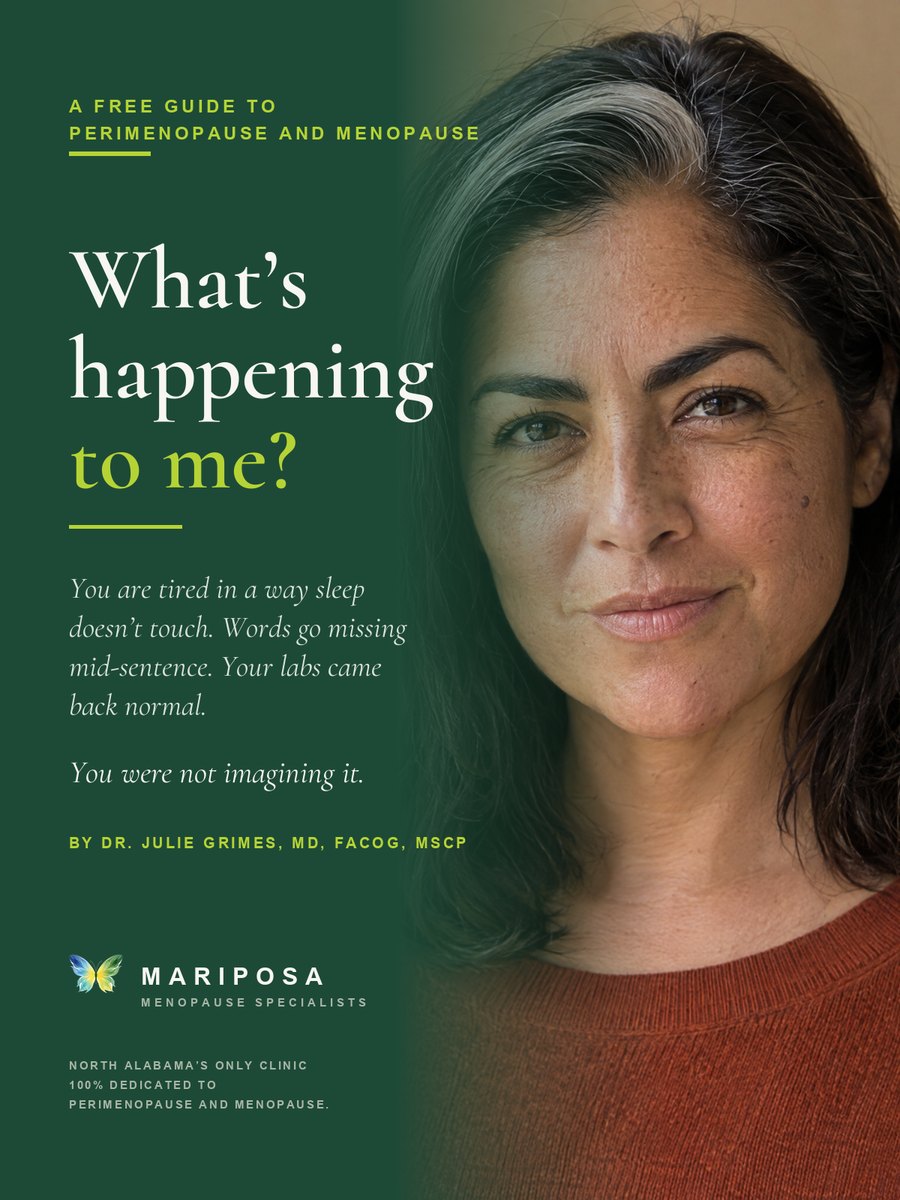
The whole picture, in plain language.
No jargon, no scare tactics: just the connections no one drew for you, and what you can actually do about each one.
The one hormone behind it all
Why estrogen runs 30+ systems in your body, and why the symptoms hit everywhere at once.
Your symptoms, decoded
The dots no one connected: from sleep and mood to joints, memory, and weight.
What actually helps
HRT, non-hormonal options, and how to tell real evidence from hype and fear.
Why willpower stopped working
The metabolic shift at menopause, and what moves the needle when the old rules don’t.
Protecting your next 30 years
Bones, heart, and brain: why this window matters more than anyone told you.
Questions to bring to your appointment
The exact things to ask, so you’re never dismissed or rushed out the door again.
The symptoms of perimenopause and menopause, one at a time.
Estrogen does not only run your cycle. It has receptors in your brain, your bones, your joints, your skin, your bladder and your blood vessels. When it starts swinging and then falling, any of those systems can register it. That is why the list below looks unrelated, and why treating one symptom at a time so often fails.
Waking at 3am, wide awake, with your heart going.
Tired in a way that sleep does not touch.
Night sweats that soak the sheets and wake you cold.
Legs that will not settle the moment you lie down.
Anxiety that arrives from nowhere, often in the early morning.
Rage out of all proportion to whatever set it off.
Words going missing in the middle of your own sentence.
Dizziness or a swimmy, off-balance feeling.
Weight settling at your middle when nothing about your habits changed.
Joints stiff and sore before you are out of bed.
A shoulder that quietly stops moving.
Hair thinning at the temples and along the part.
A heart that pounds or skips for no reason you can name.
Periods that crowd together, then stretch apart.
Dryness and discomfort that turn sex into something you avoid.
Needing the bathroom more, and infections that keep coming back.
Skin that itches or feels like something is crawling on it.
Small electric shock sensations just under the skin.
A buzzing or vibrating feeling inside your body.
That is 23 of them. The full list runs to 74, and the guide draws the lines between all of them.

Too many women are handed a prescription and a shrug, or nothing at all, and sent home to figure it out alone at midnight on the internet.
This is the guide I wish every woman had before she walked into an appointment. It’s the plain-language version of what I’d tell you if we were sitting across from each other: what’s actually happening, what genuinely helps, and the questions that get you taken seriously.
You deserved this information years ago. Here it is: free, and no strings.
Get the free guide.
Everything they should have told you, and what to actually do about it. Tell us where to send it:
- ✓The 30+ connected symptoms, and the drivers behind them
- ✓What actually helps, and what to be wary of
- ✓The exact questions to bring to your next appointment
Send me the guide
A private PDF, straight to your inbox.
Here it is. We have emailed you a copy too. 🦋
Perimenopause and menopause, answered.
Ready to talk it through with someone who gets it?
The guide is a great start. When you’re ready for a plan built around you, we’re here.